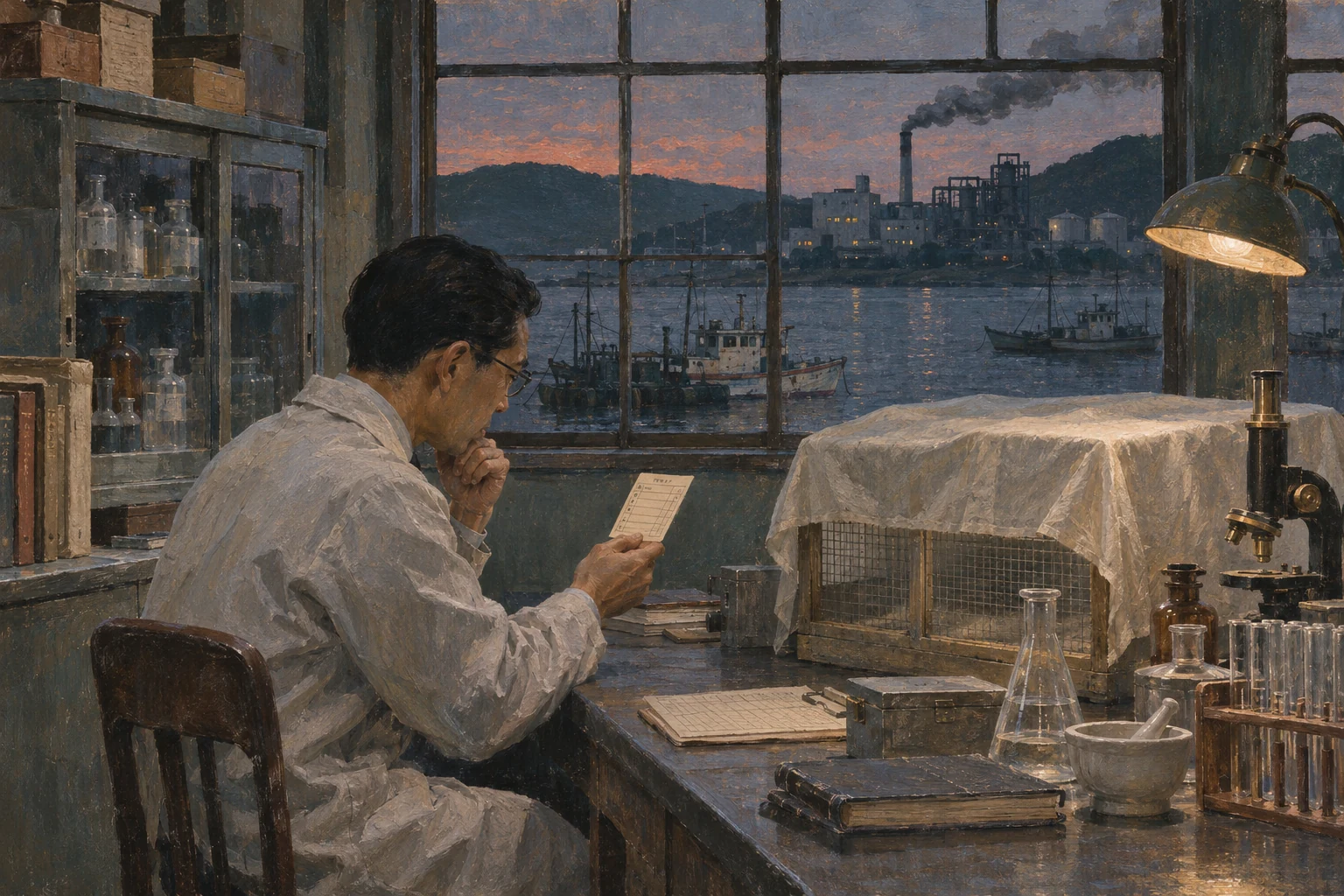
Minamata, Japan, 1956–1968 · 6 minute read
Hajime Hosokawa and Cat 400
A company doctor reproduced the strange neurological illness seen around Minamata Bay. The experiment pointed back toward the factory that employed him—and then stopped.
 Memento MedicaHistory of medicine & the mind
The Memento Medica archive
Forgotten treatments. Locked doors. Lives that refused to fit the story told about them.
Read the stories. Watch the films. Follow the evidence.
Minamata, Japan, 1956–1968 · 6 minute read
A company doctor reproduced the strange neurological illness seen around Minamata Bay. The experiment pointed back toward the factory that employed him—and then stopped.
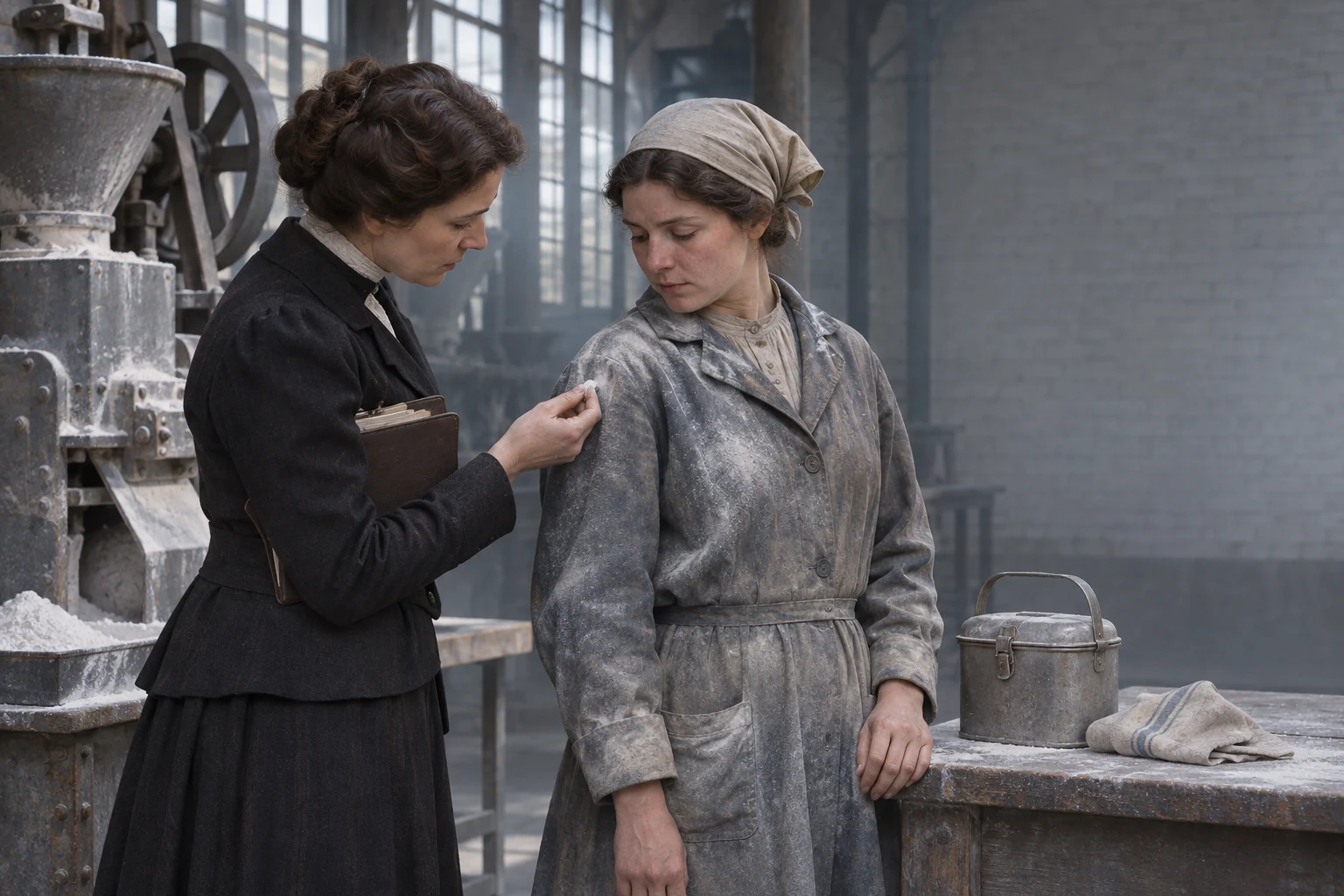
Illinois and the United States, 1909–1924 · 6 minute read
Industrial disease was easy to count after death and hard to see inside a working factory. Alice Hamilton followed lead dust through workshops, wages, lunch pails, and workers’ homes.
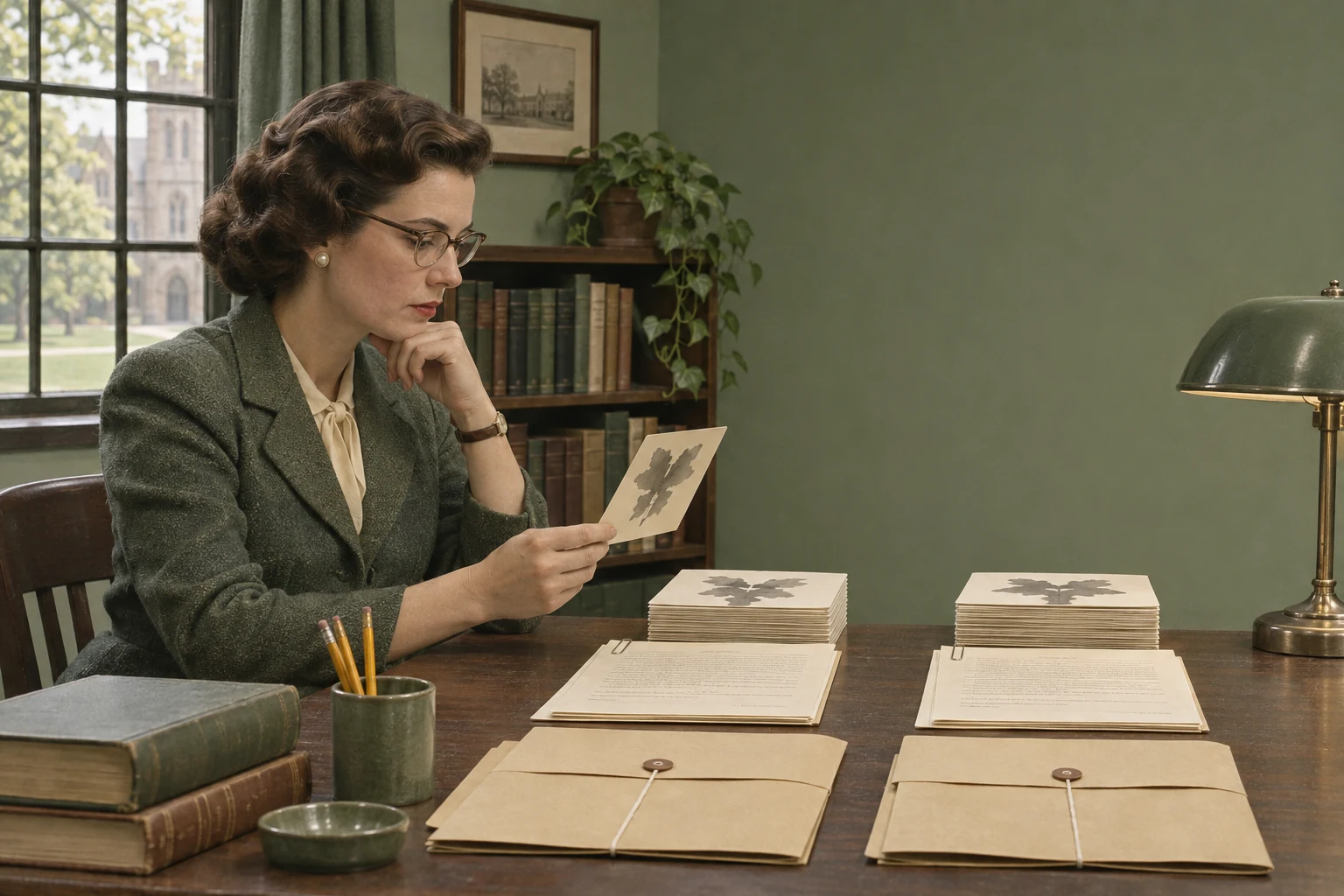
Los Angeles, 1953–1973 · 6 minute read
Psychology had built its picture of gay men largely from patients and prisoners. Evelyn Hooker recruited men living outside institutions, hid their identities, and asked experts to distinguish the records.
Tennessee and the United States, 1937–1938 · 6 minute read
A raspberry-flavored sulfa medicine looked ready for sale in 1937. Its solvent had never been tested for toxicity, and more than one hundred people paid for that omission.
New York City, 1898–1923 · 6 minute read
Each morning, a list of new births became a route through New York tenements. S. Josephine Baker turned those visits into part of a larger child-health system.
Philadelphia and the American rail network, 1895–1919 · 6 minute read
Food could arrive cold after warming and cooling along the way. Mary Engle Pennington followed the temperature changes—and the bacteria they left behind.
Washington and Chicago, 1950–1966 · 7 minute read
A supposed cancer drug carried enormous hope and almost no disclosed chemistry. Alma LeVant Hayden’s team received one gram—and followed its spectral pattern into a national controversy.
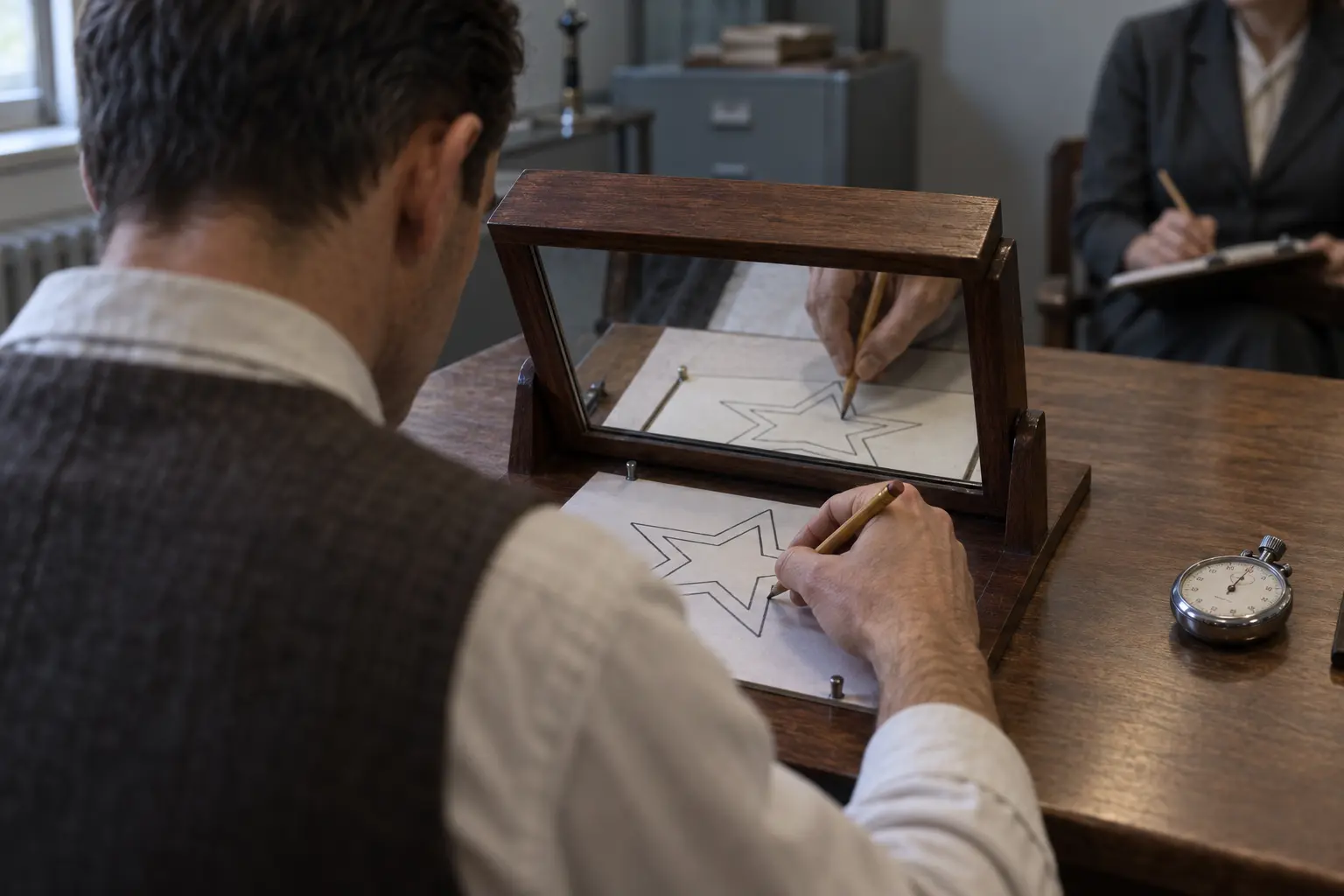
Connecticut and Montreal, 1953–2008 · 6 minute read
After surgery for severe epilepsy, Henry Molaison could hold a conversation but could not reliably carry a new event into tomorrow. Then his hand learned what his mind could not recall practicing.
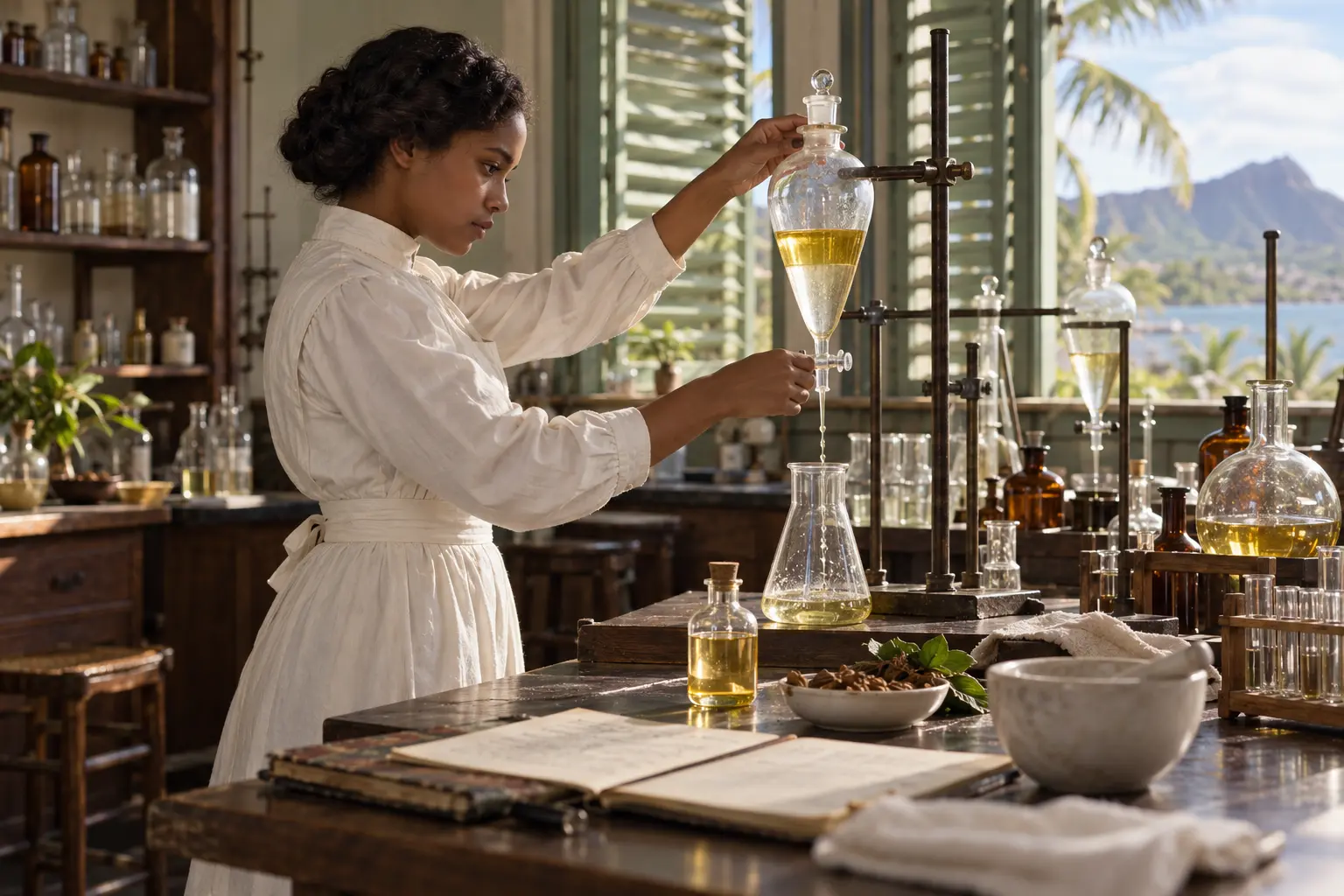
Honolulu, 1915–1922 · 6 minute read
Chaulmoogra oil was one of the few treatments offered to people with Hansen’s disease, but swallowing or injecting it could be miserable. A young chemist changed the oil—and then disappeared from the published story.
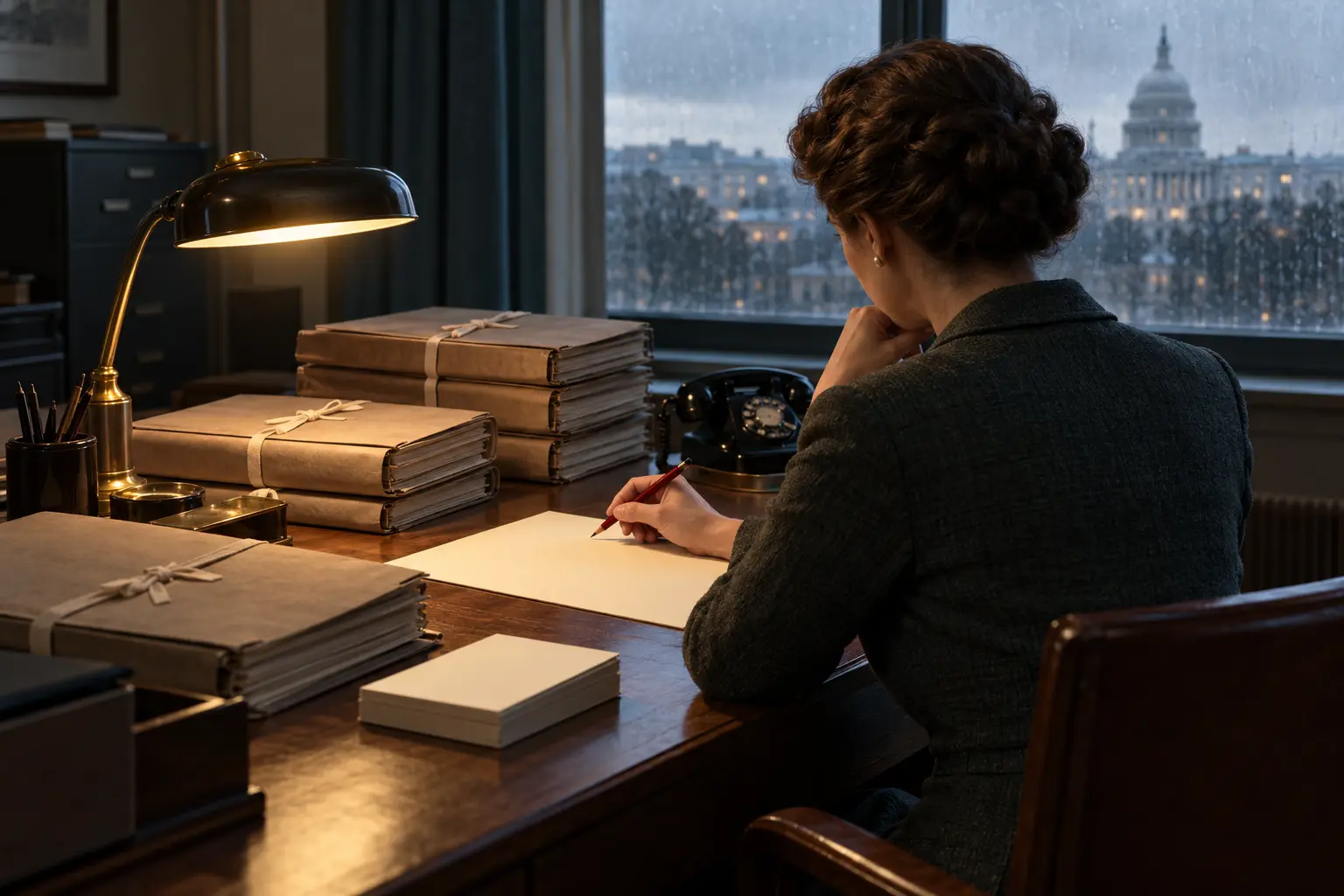
Washington, D.C., 1960–1962 · 6 minute read
In 1960, a new FDA reviewer received a drug application expected to pass quickly. Her refusal to treat missing evidence as proof of safety changed American medicine.
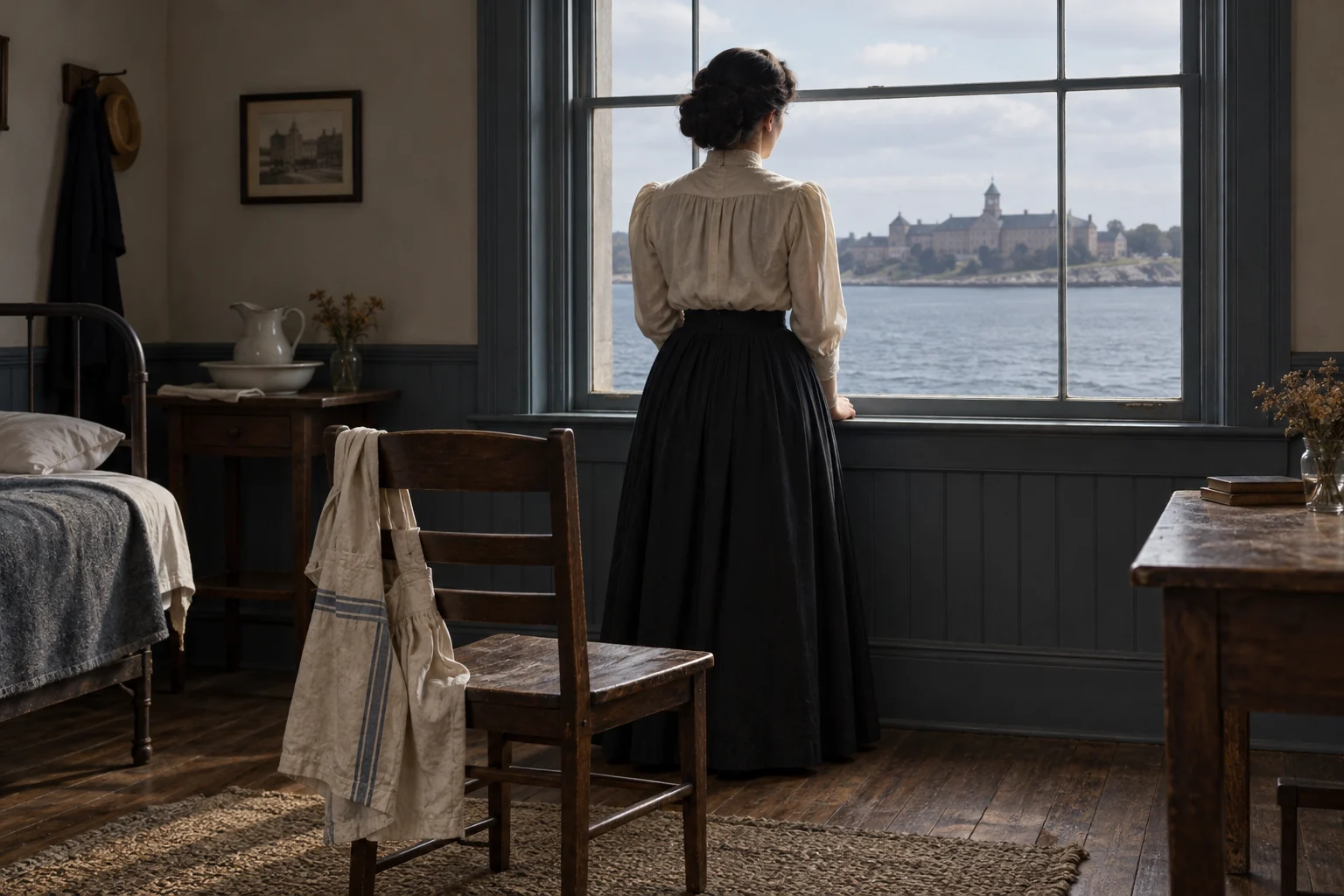
New York, 1906–1938 · 7 minute read
A healthy cook, a dangerous bacterium, and a promise that briefly opened an island prison. Mary Mallon’s story asks what protection costs when the danger is carried inside a person.
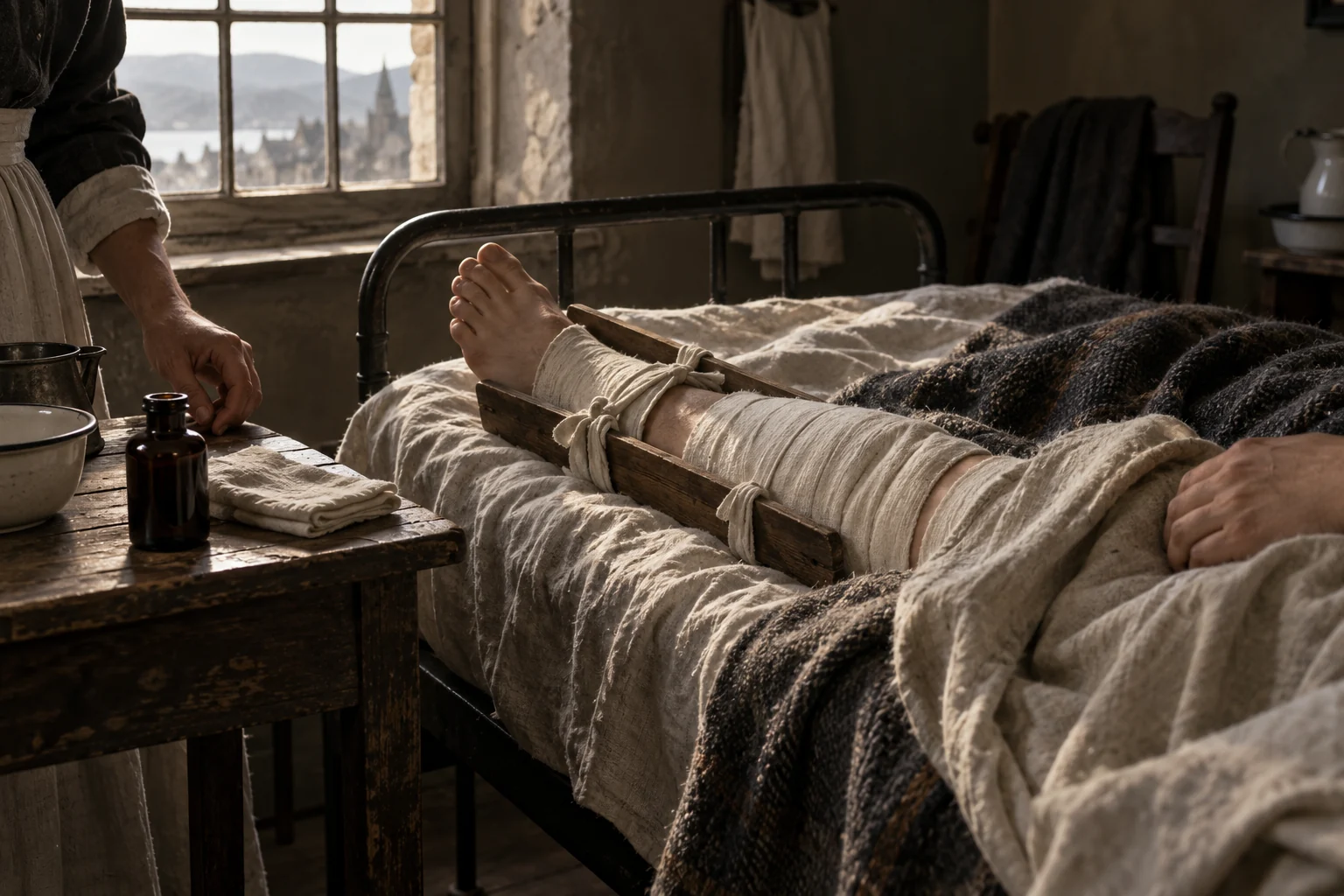
Glasgow, 1865–1867 · 7 minute read
An eleven-year-old’s broken leg, a chemical that injured as well as protected, and the uncertain work behind a surgical revolution.

Strasbourg, 1518 · 7 minute read
In 1518, a father asked Strasbourg to help care for his dancing son. His request reveals the human emergency beneath one of medical history's strangest stories.
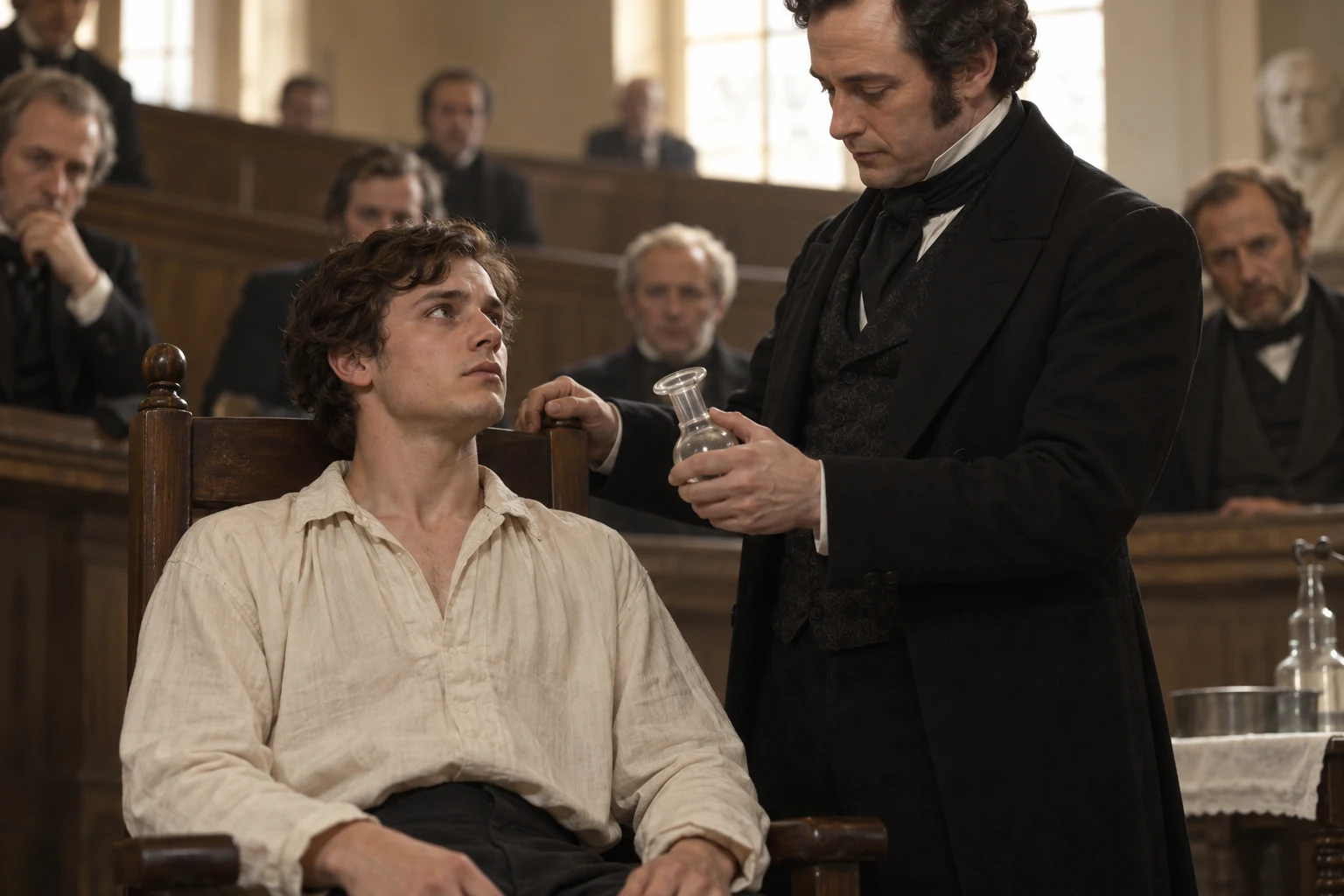
Boston, 1846 · 7 minute read
The Boston operation of October 1846 helped change surgery. Its celebrated story becomes more revealing when the patient’s actual record returns to the room.
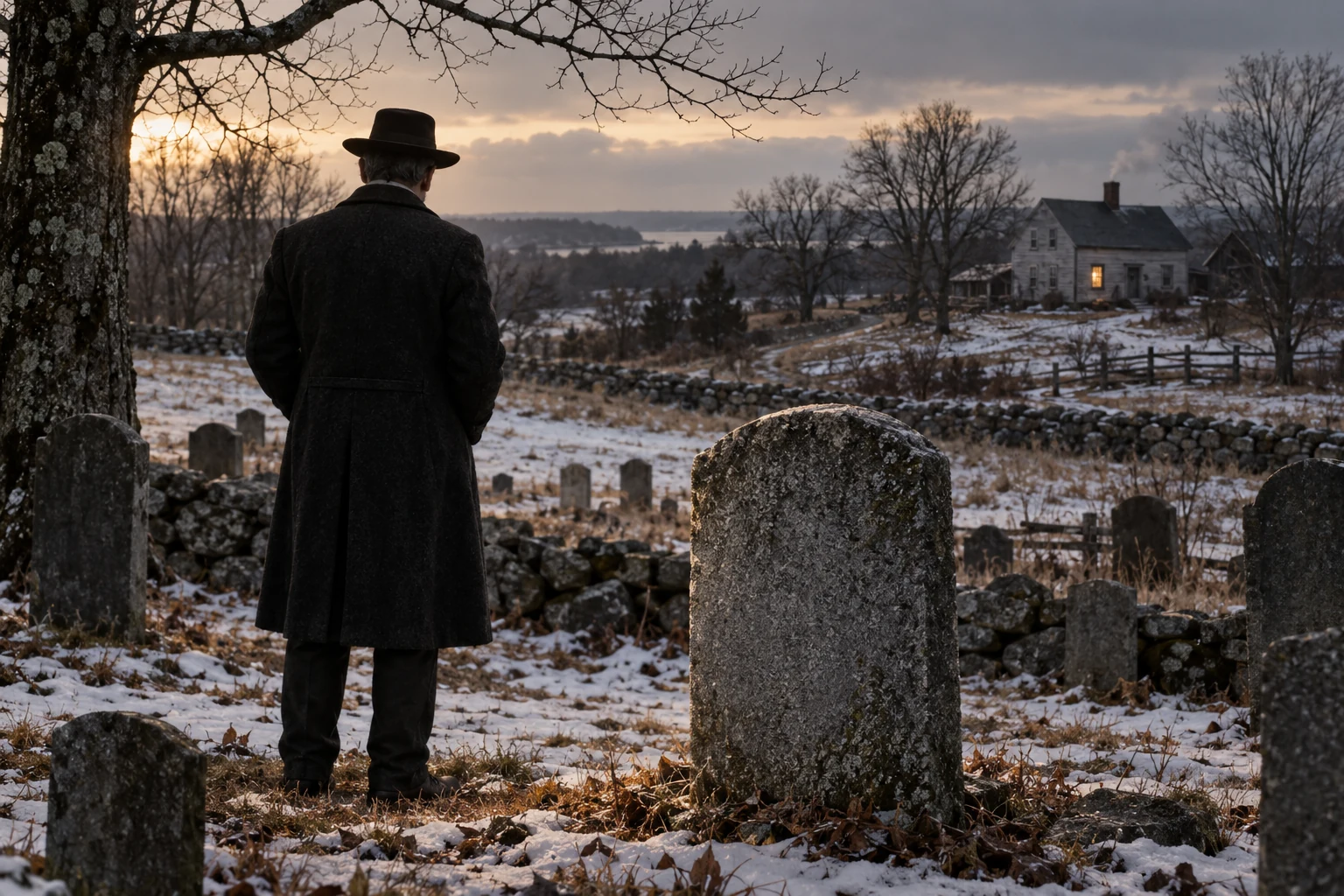
Rhode Island, 1892 · 6 minute read
In 1892, a Rhode Island family’s losses led neighbors back to the dead. The story behind the vampire legend begins with tuberculosis, grief, and a desperate search for something that might work.
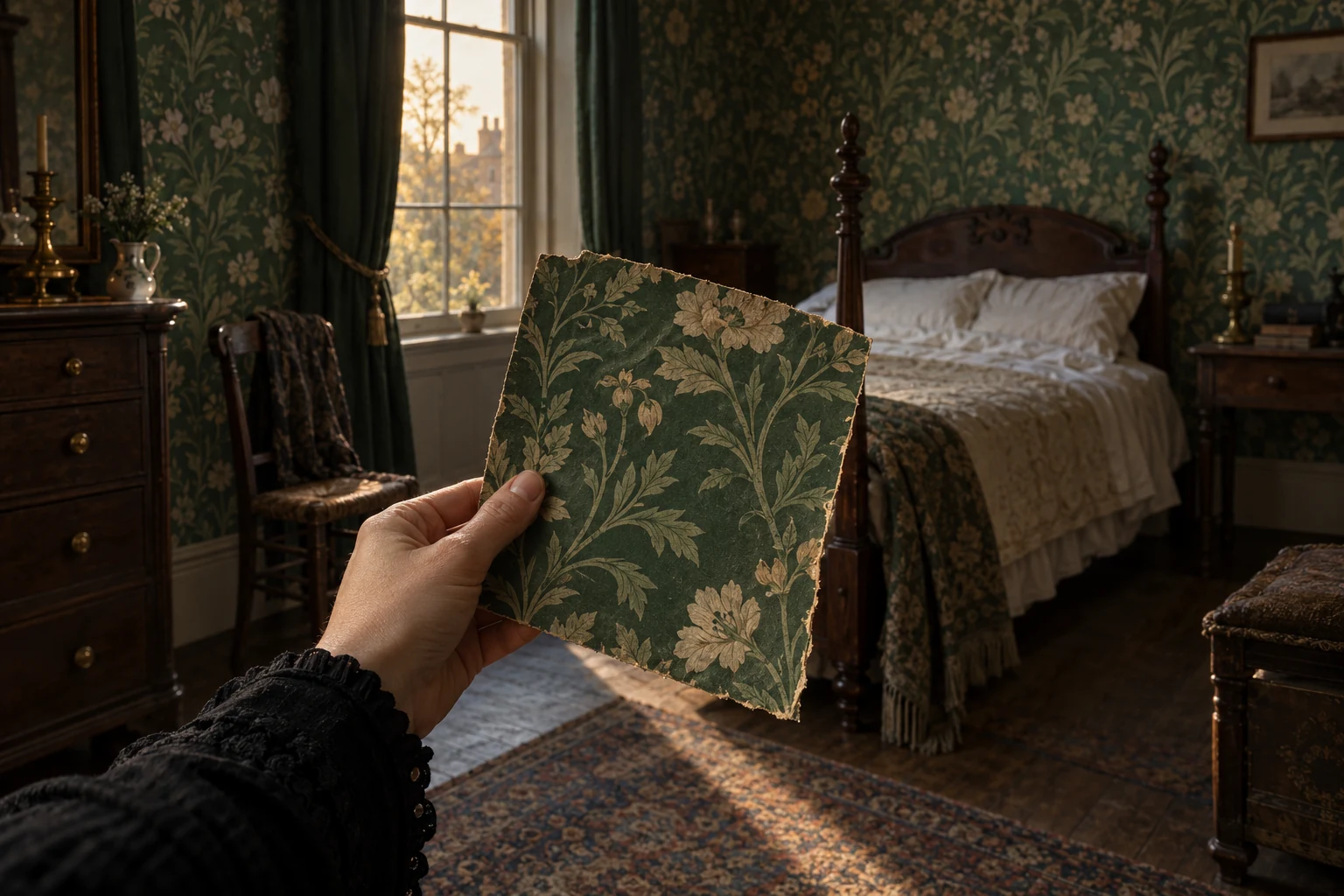
19th century · 6 minute read
Victorian wallpaper promised a brighter home. Some of its loveliest colors carried arsenic—and the evidence is still sitting in museum collections.
Vermont, 1848 · 6 minute read
An iron rod passed through Phineas Gage’s head. The life he built afterward is the part of the story we too often leave out.
New York, 1887 · 7 minute read
Nellie Bly knew how to get into the asylum. Getting out depended on whether someone outside still remembered who she was.
Vienna, 1917 · 6 minute read
Doctors deliberately gave patients malaria. To understand why, we have to enter a time when the illness already inside them seemed even worse.